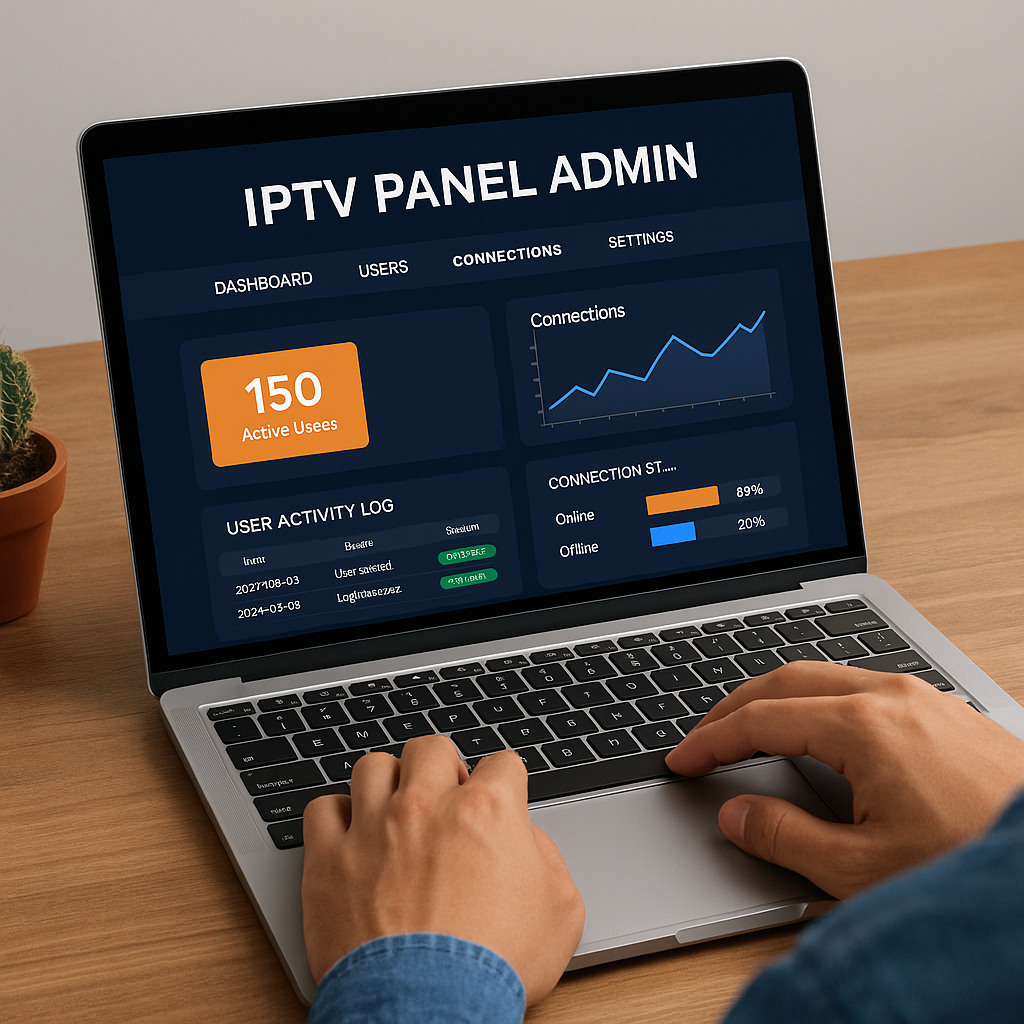
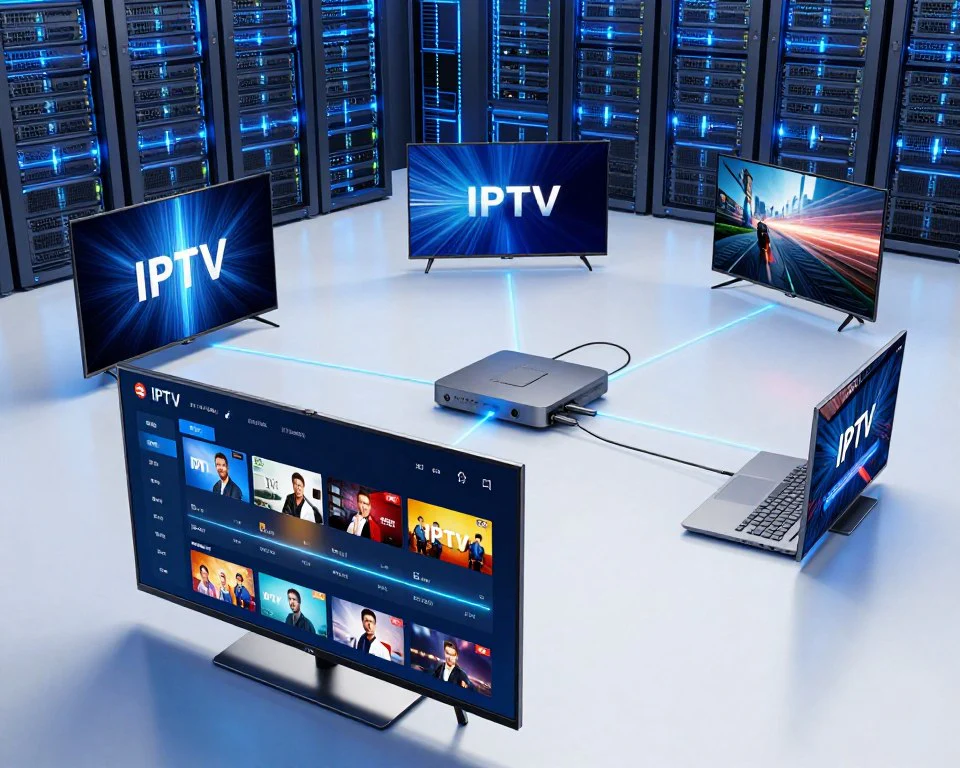
IPTV server software is the technology that powers legal streaming platforms. It manages how live TV, video-on-demand, and channel packages are delivered across different devices. Unlike illegal IPTV setups, professional IPTV server software is built for compliance, security, and scale.
This guide is for operators, developers, and tech startups who want to build a stable and legal video platform in the United States. Whether you’re offering local channels, premium content, or niche entertainment, the right IPTV server software is essential.
You’ll learn what IPTV servers do, how they differ from middleware and OTT platforms, the legal rules in the USA, and which features actually matter. A step-by-step checklist and comparison table will also help you choose the best IPTV server software for your needs.
Table of Contents
What an IPTV Server Actually Does
Understanding how IPTV server software works is the first step in building a professional, legal streaming service. Many operators confuse terms like server, middleware, and OTT platform. Here’s what each means and how they work together.
IPTV Server Explained in Simple Terms
At its core, IPTV server software is the engine behind digital TV distribution. It receives video content, processes it, and delivers it to users over the internet. This includes both live channels and video-on-demand content.
The server software handles tasks like content ingest, format conversion, and connection management. Without this layer, your platform can’t reliably stream video to apps or smart TVs.
Middleware vs End-to-End Platforms
Middleware is a part of IPTV server software that manages user accounts, subscriptions, and app interactions. It doesn’t always handle video processing directly but connects users with content.
End-to-end platforms go further. They include content ingest, transcoding, DRM, CDN integration, billing, and analytics. These full solutions are ideal for operators who want everything in one place.
Middleware is best for those with existing infrastructure. End-to-end IPTV server software is better for startups or growing services that need a faster launch.
Where Encoding, DRM, and CDN Fit In
Encoding and transcoding prepare your videos for streaming. IPTV server software uses encoding tools like FFmpeg to make sure files play smoothly on all devices.
DRM systems like Widevine, PlayReady, and FairPlay protect your streams from piracy. These tools are usually built into advanced IPTV platforms.
CDNs help distribute video efficiently. Services like Cloudflare, Akamai, or Amazon CloudFront work with your IPTV server software to reduce buffering and improve speed.
IPTV Server Architecture
A legal and reliable streaming service starts with solid architecture. IPTV server software connects all the moving parts from content input to app delivery. This section breaks down each component in plain terms.
Content Ingestion
This is where the content journey begins. IPTV server software pulls in live TV feeds or video files. These can come from satellite, camera sources, or licensed video libraries. The system must handle real-time delivery for live streams and proper storage for video-on-demand.
Encoding and Transcoding
Once content enters the system, it needs to be processed. Encoding compresses video files for streaming. Transcoding adapts them for different devices and internet speeds. Many operators use tools like FFmpeg as part of their IPTV server software stack to make this step efficient.
Stream Packaging
After processing, videos are split into chunks using formats like HLS or MPEG-DASH. IPTV server software handles this packaging, which is key to smooth playback. Adaptive bitrate streaming also happens here, letting users watch without buffering, even on slow networks.
Security and DRM
No professional setup is complete without protection. This is where IPTV server software links with DRM tools like Widevine or PlayReady. Tokens and encryption help make sure only approved users can watch your content.
CDN Distribution
Content Delivery Networks spread your video across different global servers. This reduces lag and protects your origin server. Your IPTV server software should support CDN integration with services like Akamai or Amazon CloudFront for best performance.
Apps and Devices
The software needs to support multiple devices. Whether users watch on Android, iOS, Smart TVs, or web browsers, the IPTV server software has to provide a smooth, consistent experience across all platforms.
Analytics and Monitoring
Operators need real-time data. Advanced IPTV server software includes tools for monitoring stream quality, viewer activity, errors, and playback statistics. These insights help improve service and reduce churn.
Legal and Compliance Essentials in the USA
Using IPTV server software legally in the United States requires more than just good technology. Operators must understand the rules, licenses, and responsibilities that come with distributing video content.
Is IPTV Legal in the USA?
Yes, IPTV is legal in the USA when it’s based on licensed content and proper distribution rights. IPTV server software is just a tool. The legality depends on how the platform is used. If you stream content without permission from rights holders, that becomes illegal.
Licensing and Content Rights
To stay compliant, operators need the legal rights to stream every channel or video offered. That includes licensing from studios, networks, or content aggregators. Reliable IPTV server software supports managing channel packages and keeping track of usage for reporting purposes.
DMCA Responsibilities
The Digital Millennium Copyright Act protects original content creators and defines how platforms must act when receiving takedown notices. Your IPTV server software should include logs and access control so that you can respond to DMCA requests if needed.
Risks of Unverified IPTV
Many illegal services use IPTV server software without the proper rights. These services often sell access to pirated streams, leading to legal issues, platform bans, and payment processor shutdowns. If you are serious about long-term growth, avoid anything that skips licensing.
How Legal Platforms Stay Compliant
Operators using legal IPTV server software work with licensed content providers and follow regional laws. This includes having terms of service, privacy policies, and the ability to restrict access based on location. Geo-blocking and DRM features support legal use and are built into professional platforms.
Core Features Every IPTV Server Must Have
Choosing the right IPTV server software means knowing which features are necessary to run a stable and legal streaming platform. Features should not just exist for show. They need to serve real needs like content control, user experience, and compliance.
User and Subscription Management
Every operator needs a system that handles user accounts and billing. Good IPTV server software includes tools to manage logins, profiles, and active subscriptions. This helps track usage, prevent account sharing, and automate renewals.
Why it matters: Without proper user control, revenue leaks and content access becomes unmanageable.
Channel and VOD Management
The software should allow you to organize channels and video-on-demand libraries easily. You must be able to add, remove, or schedule content without delay.
Why it matters: Viewers expect fast updates. Your IPTV server software must respond to changing lineups and rights.
EPG (Electronic Program Guide)
An EPG helps users see what’s on and what’s coming up. It improves the live TV experience and gives your platform a polished, cable-like feel.
Why it matters: A solid EPG setup reduces confusion and keeps users engaged longer.
Multi-Device App Support
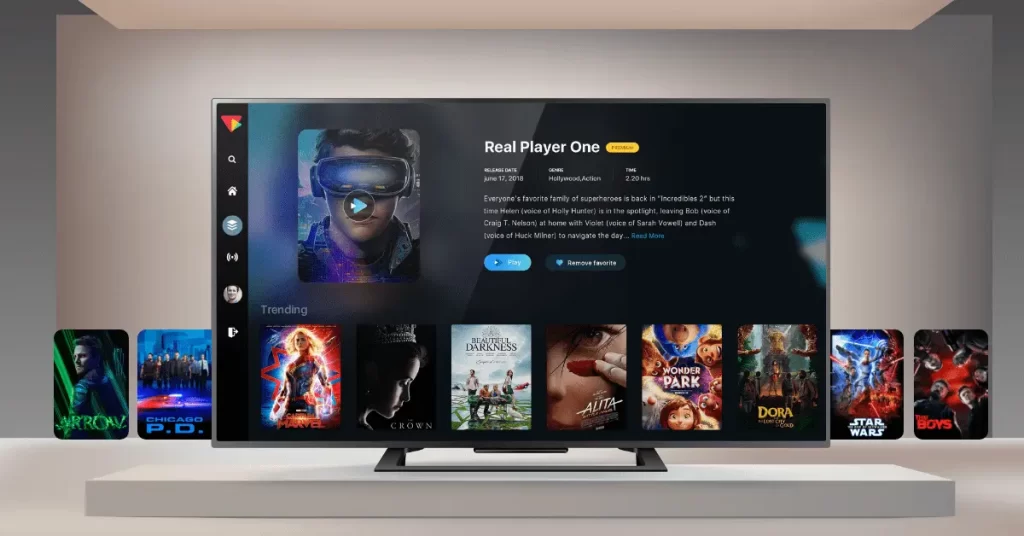
Your viewers use phones, tablets, smart TVs, and browsers. IPTV server software should support app access on all major platforms, with a consistent viewing experience.
Why it matters: A platform that works everywhere increases retention and satisfaction.
Billing and API Integrations
Modern IPTV server software connects with payment processors and external systems through APIs. This includes PayPal, Stripe, CRMs, and more.
Why it matters: You need flexibility to grow. Integration makes it easier to automate and scale.
Reseller and Multi-Tenant Support
If you plan to let others resell your service, look for IPTV server software with multi-tenant control. Only use this if your platform is fully licensed to distribute content.
Why it matters: This adds new revenue streams while giving resellers a clear, safe way to operate under your main service.
Security and Stream Protection
Security is one of the most important parts of running a video platform. IPTV server software needs strong tools to protect streams from theft, restreaming, and unauthorized access. Weak security can lead to content leaks, account abuse, and loss of licensing agreements.
DRM Systems
Digital Rights Management tools are essential for legal streaming. Most IPTV server software integrates with systems like Google Widevine, Microsoft PlayReady, or Apple FairPlay. These tools encrypt video and only allow access to verified users.
Token Authentication
Tokens give temporary access to users. This method prevents link sharing and limits how long a stream can be watched. Good IPTV server software supports token-based protection across live and on-demand content.
Geo-Blocking
Many content licenses apply to specific regions. IPTV server software includes geo-blocking tools to limit access by country or city. This helps meet contract terms and lowers legal risks.
Watermarking
Visible or hidden watermarks help trace piracy. Some IPTV server software solutions add user-specific watermarks during playback. If a stream is leaked, it becomes easier to track the source.
Anti-Restreaming Measures
Your platform should monitor for multiple connections from a single account or unusual viewing behavior. High-quality IPTV server software can detect and block restreaming attempts in real time.
Security tools are not just extras. They are part of what makes a platform legal and trustworthy. If your IPTV server software lacks these protections, your content and business are both at risk.
Streaming Protocols Explained
Every streaming platform depends on reliable protocols to deliver content across the internet. IPTV server software supports different formats to make sure your videos load quickly and work on every device. Two of the most used protocols are HLS and MPEG-DASH.
HLS Explained
HLS stands for HTTP Live Streaming. It was developed by Apple and is widely supported by iOS devices, smart TVs, and most web players. IPTV server software uses HLS to break video into small chunks and deliver them based on user connection speed.
The main benefit of HLS is its compatibility. It also supports adaptive bitrate streaming, which adjusts quality in real time depending on network strength.
MPEG-DASH Explained
MPEG-DASH is another protocol used by many platforms. It works in a similar way to HLS, breaking content into segments. What makes MPEG-DASH different is that it is an open standard, not tied to any one company.
Most IPTV server software supports MPEG-DASH to give users more options and flexibility. It is especially useful for platforms targeting Android and browser-based players.
When to Use Each
Both protocols are strong choices. HLS works best for iOS and Apple TV users. MPEG-DASH fits platforms that serve web players or Android devices. Most modern IPTV server software supports both formats, giving you the freedom to reach a wide audience.
Latency and Device Compatibility
Latency is the delay between when a video is sent and when it is viewed. HLS tends to have slightly higher latency, which is fine for on-demand content. MPEG-DASH can be faster, making it better for live events.
Good IPTV server software allows you to test both and choose based on your audience, use case, and performance needs.
Infrastructure, Performance and Costs
Running a legal and scalable streaming service requires the right setup. Your IPTV server software depends on powerful hardware, stable network conditions, and smart cost planning. This section explains what resources you need and what they might cost.
Server Requirements
To stream live channels and video on demand, your servers need strong specs. Most IPTV server software works best with multi-core CPUs, high memory capacity, and fast SSD storage. More viewers require more bandwidth and stronger hardware.
For example, a small operator may start with one or two servers. Larger platforms need clusters to handle load balancing, backups, and higher traffic.
Cloud vs On-Premise Setup
Many operators choose cloud hosting with platforms like AWS, Google Cloud, or Microsoft Azure. These services give flexibility, automatic scaling, and global reach. Other providers still prefer on-premise systems for full control.
Good IPTV server software supports both options. Your decision depends on budget, location, and how quickly you plan to grow.
CDN Costs
Content Delivery Networks help your videos reach viewers faster. CDNs store content closer to users, reducing buffering and server stress. Leading CDNs include Cloudflare, Akamai, and Amazon CloudFront.
IPTV server software integrates with CDNs to improve performance. Costs vary by usage, so it’s important to monitor traffic and storage to avoid surprises.
Scaling for Growth
As your viewer base grows, so does demand on your infrastructure. You may need to add new servers, expand storage, or upgrade network speeds. Reliable IPTV server software makes it easier to add capacity without service interruptions.
Planning ahead helps avoid crashes during peak hours. Software that supports automatic scaling can protect your user experience as traffic increases.
Uptime and Reliability Expectations
Your platform must be online at all times. Uptime refers to how often your system stays active without errors. Many operators aim for 99.9 percent uptime or higher.
IPTV server software plays a key role in this. It should include monitoring tools, error logs, and alert systems to respond to issues quickly. Regular updates and strong support services also help maintain reliability.
Step-by-Step Guide to Planning a Legal IPTV Platform
Building a reliable streaming service takes more than just tech knowledge. You need a clear process that covers legal, technical, and business needs. With the right plan and the right IPTV server software, you can launch a stable and compliant platform.
Step 1: Define Content and Licensing
Start by choosing what type of content you want to offer. Will it be live TV, movies, or niche programming? Once decided, secure legal rights through direct deals or licensed content providers. Your IPTV server software should support tools for managing rights and regional rules.
Step 2: Choose the Right Architecture
Pick between a cloud-based or on-premise setup. Cloud services offer flexibility, while local hosting gives full control. Choose infrastructure that matches your budget and growth plans. Your IPTV server software must support both setups with scalability and reliability in mind.
Step 3: Select Your IPTV Server Software
Compare platforms based on features like VOD control, channel scheduling, user management, billing, and security. Make sure the IPTV server software supports DRM, API integrations, multi-device apps, and analytics. Choose a provider with clear support terms and strong documentation.
Step 4: Secure the Streams
Use encryption, DRM systems, and access controls. Reliable IPTV server software comes with tools like token authentication, geo-blocking, and watermarking. These features help protect your business and keep your platform in compliance with legal standards.
Step 5: Deploy Apps for All Devices
Your users expect smooth access across smart TVs, phones, tablets, and browsers. Choose IPTV server software that supports app development or comes with white-label apps. This helps reduce costs and speed up time to market.
Step 6: Monitor and Scale
After launch, keep an eye on usage, performance, and viewer behavior. Good IPTV server software includes built-in monitoring tools for uptime, latency, and bandwidth use. As your user base grows, upgrade servers or CDN coverage to maintain high-quality playback.
IPTV Server Comparison Checklist
Choosing the best IPTV server software means comparing key features based on your business size, goals, and technical needs. This checklist helps you identify what matters most and which solutions match your current and future plans.
| Feature | Why It Matters | Beginner | Professional | Enterprise |
|---|---|---|---|---|
| User and Subscription Tools | Handle user profiles, logins, and payments with accuracy | ✅ Basic setup | ✅ Automated plans | ✅ Full CRM tools |
| Channel and VOD Control | Add, remove, and schedule content with ease | ✅ Manual setup | ✅ Content rules | ✅ Rights tracking |
| EPG Support | Let users view live program schedules clearly | ❌ Optional | ✅ Standard | ✅ Full API access |
| Multi-Device Compatibility | Reach viewers on smart TVs, mobile, and browsers | ✅ Android only | ✅ Major platforms | ✅ White-label apps |
| Billing and API Integration | Automate payments and connect external systems | ❌ None | ✅ Stripe, PayPal | ✅ Custom gateways |
| Security and DRM | Prevent piracy and control access | ❌ Weak | ✅ Token & Geo | ✅ Full DRM suite |
| CDN Integration | Reduce buffering and speed up content delivery | ❌ Not included | ✅ Basic CDN link | ✅ Multi-CDN ready |
| Analytics and Monitoring | Track viewer behavior, errors, and bandwidth | ✅ Logs only | ✅ Viewer stats | ✅ Real-time panel |
| Reseller / Multi-Tenant | Manage sub-accounts or partners legally | ❌ Not offered | ✅ Limited roles | ✅ Full structure |
Use this table to compare IPTV server software options side by side. Whether you’re launching a new service or upgrading an existing one, this checklist keeps your decision focused on features that support legal operation, user satisfaction, and growth.
Frequently Asked Questions
What is IPTV middleware?
IPTV middleware is a part of the larger system that handles user accounts, interfaces, subscriptions, and device access. While it is not the same as full IPTV server software, it often works as a layer that connects the backend server to the viewer.
Do IPTV servers include content?
No. IPTV server software does not come with channels or videos. You must secure content licenses separately. The software only manages the delivery and playback of that content.
How much bandwidth does IPTV need?
The required bandwidth depends on the number of users and the video quality. For HD streaming, each user may need 5 Mbps or more. Good IPTV server software helps optimize stream quality using adaptive bitrate to save bandwidth.
Do I need DRM for live TV?
Yes. DRM helps prevent illegal copying and restreaming of your live content. Many legal content providers require DRM as part of their license terms. Most IPTV server software includes support for systems like Widevine and PlayReady.
What devices can IPTV platforms support?
Legal platforms built with solid IPTV server software can support Android, iOS, Smart TVs, web browsers, and streaming boxes. Multi-device support helps reach a wider audience with one system.
Can IPTV be legal in the USA?
Yes. IPTV is legal if you use licensed content and follow DMCA rules. IPTV server software alone is not illegal. It depends on how the software is used and whether your content has proper rights.
Is an IPTV Server Right for You?
If you plan to launch a legal streaming service that is reliable, secure, and scalable, then choosing the right IPTV server software is one of the most important decisions you will make. This software controls everything from how content is delivered to how users interact with your platform.
We’ve covered what IPTV server software does, how it works, which features matter, and how to stay compliant with US laws. From live channels to VOD libraries, your entire operation depends on a strong software foundation.
Now is the time to move forward. Whether you’re a startup looking to build from scratch or an established operator upgrading your current setup, you need a solution that fits your needs.
If you’re ready to take the next step, consider booking a demo or getting a consultation with trusted providers of IPTV server software. The right choice can help you avoid legal risk, improve performance, and deliver a better experience to your users.